-8%
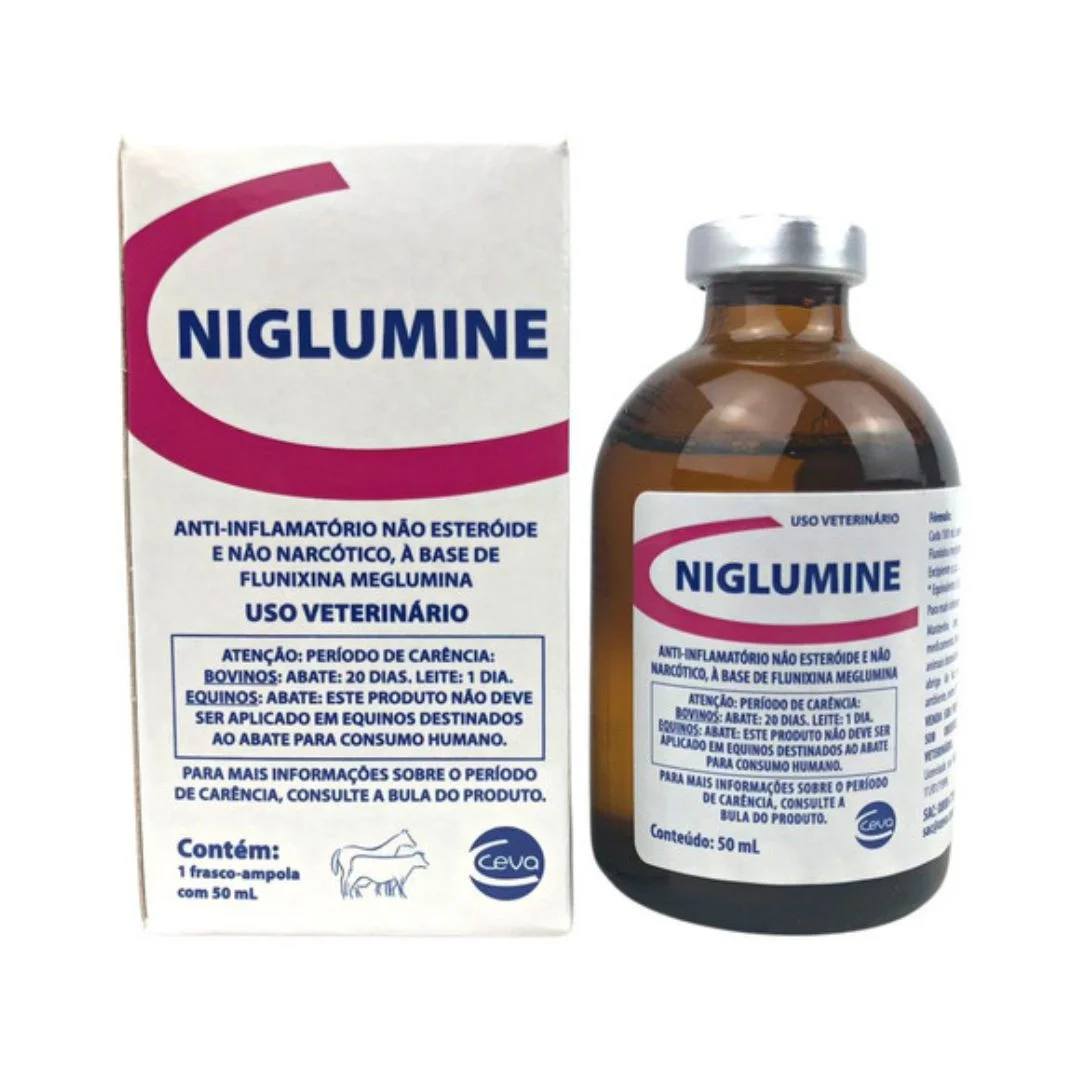
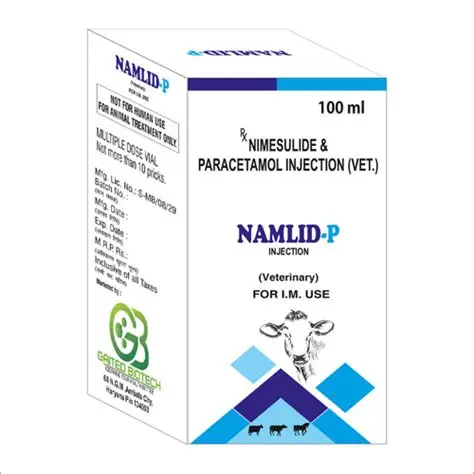

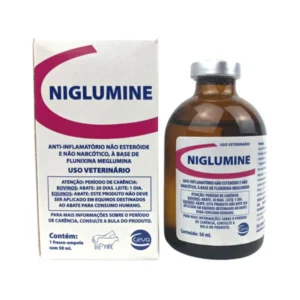
Niglumine Injection 50mL is a veterinary injectable preparation containing flunixin meglumine, a non-steroidal anti-inflammatory drug (NSAID) used in veterinary medicine for the management of pain, inflammation and fever in appropriate animal species. The exact concentration, approved species, indications and regulatory status can vary by manufacturer and country, so the current product label should always be checked before use.
For equine-care professionals, NSAID treatment can be an important component of veterinary management when a horse is experiencing an appropriate painful or inflammatory condition. However, pain can also be an important clinical sign, so treatment should be based on veterinary assessment rather than simply masking symptoms.
Niglumine Injection 50mL is a 50mL veterinary injectable formulation associated with flunixin meglumine. Flunixin is an NSAID with analgesic, anti-inflammatory and antipyretic activity.
Depending on the specific formulation and local authorization, flunixin products may be used in horses and other veterinary species for conditions involving:
The exact approved indications must be confirmed from the label of the specific Niglumine product being used.
| Product detail | Information |
|---|---|
| Product | Niglumine Injection |
| Presentation | 50mL |
| Active ingredient | Flunixin meglumine |
| Drug class | NSAID |
| Veterinary application | Pain, inflammation and fever management where approved |
| Species | Confirm on current product label |
| Administration | Depends on formulation and approved labeling |
Horses can experience pain and inflammation from a variety of conditions, ranging from musculoskeletal problems to gastrointestinal disorders.
When flunixin meglumine is approved and prescribed for an appropriate equine condition, it can provide analgesic and anti-inflammatory support as part of a veterinary treatment plan.
Common signs that may indicate pain include:
These signs should be evaluated carefully because the underlying cause determines the most appropriate treatment.
Flunixin meglumine belongs to the NSAID class.
NSAIDs work by interfering with pathways involved in the production of inflammatory mediators. This can reduce inflammation, pain and fever.
For veterinary professionals, the objective is generally to use an appropriate NSAID at the correct dose and for an appropriate duration while minimizing potential adverse effects.
Treatment should therefore be individualized according to:
Flunixin meglumine is widely recognized in veterinary medicine for its role in managing pain associated with equine colic.
Colic is a clinical sign rather than a single disease and can range from mild gastrointestinal discomfort to life-threatening intestinal disorders.
A horse showing signs of colic should receive prompt veterinary assessment.
Warning signs may include:
Pain relief should never be used as a reason to delay veterinary examination.
Flunixin-based veterinary medicines may be used for appropriate inflammatory and painful musculoskeletal conditions where approved.
These may include problems affecting:
A horse with persistent lameness should be properly examined to determine the underlying cause.
NSAID treatment can help control pain and inflammation, but it does not necessarily correct the underlying injury.
Flunixin meglumine also has antipyretic properties, meaning it can help reduce elevated body temperature when used appropriately.
Fever can occur with numerous conditions, including:
Reducing fever does not eliminate its underlying cause. Veterinary evaluation remains important when fever is persistent, severe or accompanied by other concerning signs.
The appropriate dosage and administration route depend on the exact Niglumine formulation and its approved labeling.
Do not determine dosage simply from the 50mL vial size.
A veterinarian may consider:
Flunixin products may have different concentrations and approved administration routes. Consequently, dosage instructions from another flunixin product should not automatically be applied to Niglumine Injection.
NSAIDs can affect the gastrointestinal tract, kidneys and other body systems.
Veterinary assessment is particularly important in animals that are:
Potential adverse effects can include gastrointestinal irritation or ulceration and kidney-related complications.
If an animal develops significant appetite loss, vomiting, diarrhea, gastrointestinal bleeding, changes in urination, marked lethargy or other unusual symptoms, veterinary attention should be sought.
Before administering Niglumine Injection 50mL, tell the veterinarian about all medications and supplements the animal is receiving.
Particular attention should be given to:
Combining NSAIDs or changing from one NSAID to another without veterinary guidance can increase the risk of adverse effects.
If Niglumine is being considered for a racehorse or competition horse, the applicable competition regulations must be checked before administration.
Racing and equestrian organizations can have strict rules regarding:
A product being legally available for veterinary treatment does not automatically mean it is permitted under every competition rulebook.
If the specific formulation is approved for use in food-producing animals, the applicable withdrawal period must be followed.
Withdrawal periods depend on:
Always consult the current label for the exact product and market.
Store Niglumine Injection 50mL according to the manufacturer’s current instructions.
Before use:
Do not use a product if the container is damaged or contamination is suspected.
If you are looking to buy Niglumine Injection 50mL online, confirm the exact product formulation before placing an order. This is especially important with flunixin products because concentration, approved species, package size and regulatory requirements can differ between manufacturers and countries.
Equines Vet Care provides product information for customers researching veterinary medicines and equine-care products.
Before purchasing Niglumine Injection 50mL, verify:
Customers ordering internationally should also check local requirements governing veterinary medicines and animal-health products.
Niglumine Injection 50mL is a veterinary injectable product associated with flunixin meglumine, an NSAID used for appropriate pain, inflammation and fever management according to the specific product’s approved labeling.
The active ingredient is flunixin meglumine.
Flunixin meglumine is widely used in equine veterinary medicine, including for appropriate pain and inflammatory conditions. However, confirm that the specific Niglumine formulation is approved for horses in your jurisdiction.
Flunixin meglumine is used by veterinarians for pain associated with equine colic. Colic can be an emergency, so veterinary examination should never be delayed.
The correct dosage depends on the exact concentration, species, body weight, diagnosis and approved labeling. A veterinarian should determine the appropriate dosage.
Do not combine Niglumine with another NSAID unless specifically directed by a veterinarian.
Concurrent use of NSAIDs and corticosteroids can increase the risk of adverse effects and should only occur under veterinary direction.
Check the current rules of the relevant racing or equestrian organization before administration.
The product requested here is supplied as a 50mL injection.
Niglumine 50ml in the treatment of visceral pain associated with colic and in the treatment of inflammation and pain associated with muscrders.uloskeletal diso
niglumine 50ml is recommended in those cases where corticosteroid therapy is contraindicated
DOSAGE AND HOW TO USE
niglumine 50ml should be administered to cattle and horses intramuscularly.
Cattle: 1mL for each 22.5 kg of weight intramuscularly or intravenously. Repeat if necessary, at intervals of 24 hours, but not more than 5 consecutive days.
Horses: In visceral pain associated with colic, 1mL is recommended for every 45 kg of weight intramuscularly or intravenously, at the onset of symptoms. Treatment can be repeated 1 or 2 times if symptoms reappear.
In inflammation and pain associated with musculoskeletal changes, 1 ml is recommended for every 45 kg of weight, intramuscularly or intravenously, once a day for no more than 5 consecutive days.
PRECAUTIONS niglumine 50ml
Do not exceed recommended serving. Do not mix other substances in the same syringe. Avoid intra-arterial injection to horses, as they react with ataxia, incoordination, hyperventilation, hysteria and muscle weakness. Precautions should be taken when administering to calves and, if symptoms of dehydration occur, fluid therapy should be performed. Do not use during pregnancy.
Do not use in animals less than 3 days old. Do not use in horses with a history of hypersensitivity to flunixin.
WITHDRAWAL PERIOD
Cattle: Slaughter: slaughter of animals treated with this product should only be carried out 20 days after the last application. Milk: Milk from animals treated with this product must not be destined for human consumption until 1 day after the last application of this product.
Horses: Slaughter: Do not use in animals whose meat is intended for human consumption.
PRESENTATIONS
Glass vial containing 50 mL.
WITHDRAWAL PERIOD
Cattle: Slaughter: slaughter of animals treated with this product should only be carried out 20 days after the last application. Milk: Milk from animals treated with this product must not be destined for human consumption until 1 day after the last application of this product.
Horses: Slaughter: Do not use in animals whose meat is intended for human Do not exceed recommended serving. Do not mix other substances in the same syringe. Avoid intra-arterial injection to horses, as they react with ataxia, incoordination, hyperventilation, hysteria and muscle weakness. Precautions should be taken when administering to calves and, if symptoms of dehydration occur, fluid therapy should be performed. Do not use during pregnancy
No account yet?
Create an Account
Reviews
There are no reviews yet.