

-10%
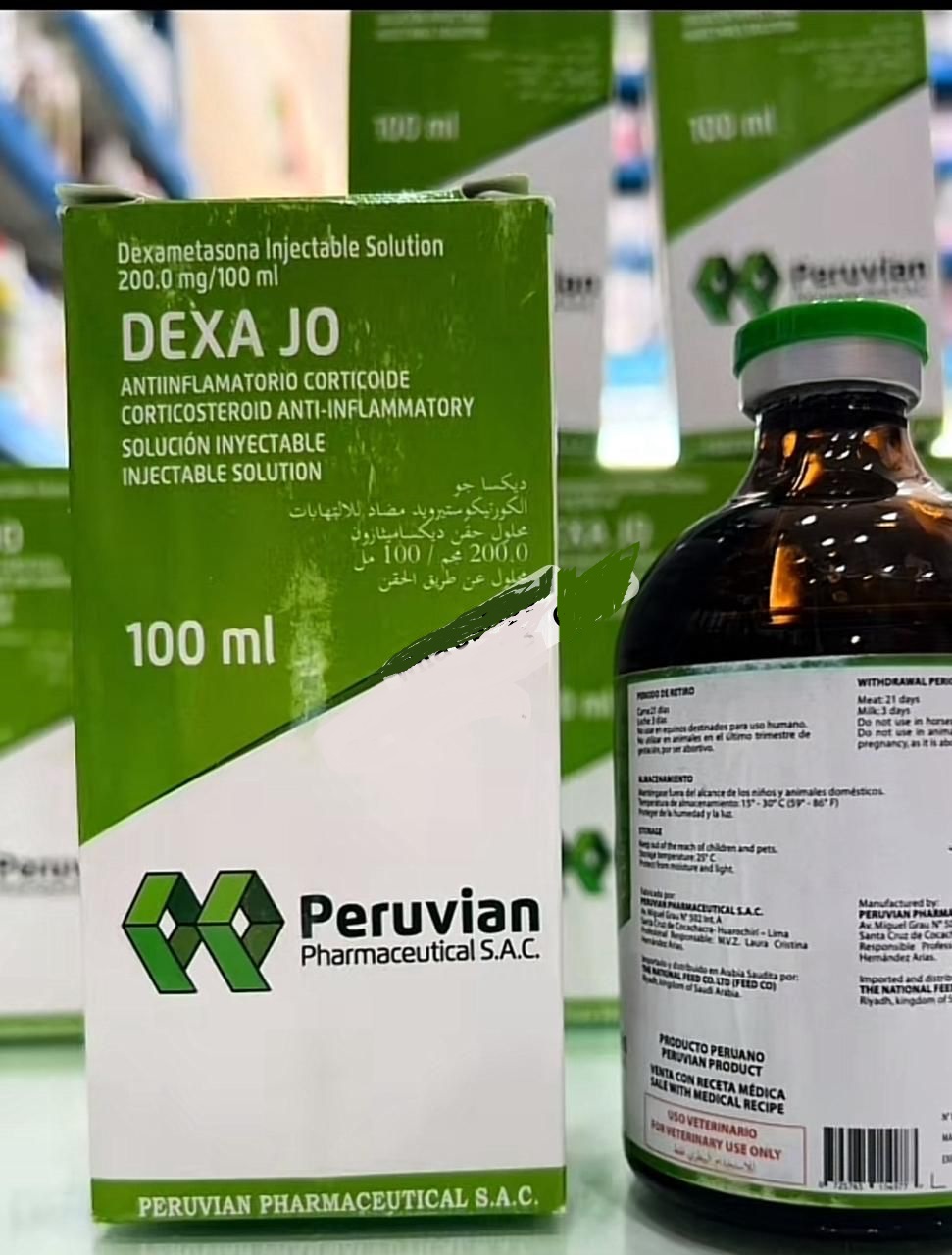
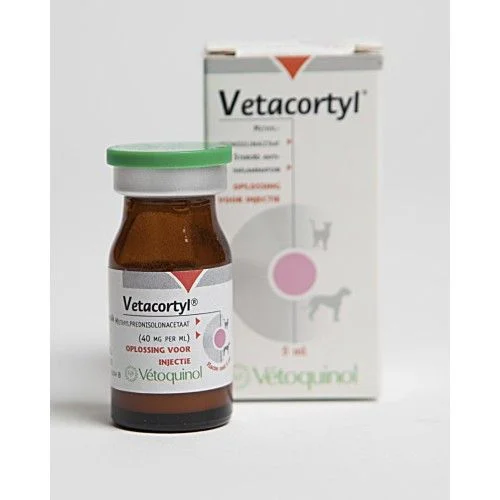
Buy Dexa Jo Injectable Solution from Equines Vet Care. Dexa Jo Injectable Solution is one of the best racing products in the world. Manufacture in France Coophavet vetoquinol. Physical adaptation through evolution has given horses endurance and speed. The inherent athletic ability is something that needs to be nurtured with proper nutrition intake, perfectly functioning joints, and correct use of supplements. Balancing the high-energy requirements of equine athletes is challenging. With rigorous training and exercises, your horse may start feeling stiff at some point, and this may require medical
$50.00 Original price was: $50.00.$45.00Current price is: $45.00.
Guaranteed Safe Checkout

In high-stakes equine sports medicine, competitive livestock management, and urgent veterinary care, controlling severe inflammation and managing metabolic crises require high-potency medical intervention. When tissues are traumatized by acute musculoskeletal injuries, severe allergic reactions, or systemic shock, the animal’s immune system can produce an excessive inflammatory response. This response causes structural damage, severe pain, and delayed recovery. Similarly, metabolic imbalances like bovine ketosis can quickly disrupt energy production, cutting milk yields and harming overall health.
To counteract these intensive inflammatory and metabolic conditions, veterinarians rely on Dexa Jo Injectable Solution. Containing Dexamethasone Sodium Phosphate (2 mg/mL), this fast-acting, highly soluble synthetic glucocorticoid analogue of prednisolone provides rapid anti-inflammatory, anti-allergic, and gluconeogenic effects across multiple animal species.
This comprehensive clinical guide outlines the underlying pharmacology, molecular cellular mechanisms, target applications, explicit dosing protocols, and strict safety guidelines for using Dexa Jo Injectable Solution.
Dexamethasone is a highly potent synthetic glucocorticoid with approximately twenty times the anti-inflammatory activity of prednisolone and up to eighty times that of hydrocortisone. It acts with minimal mineralocorticoid activity, meaning it does not cause significant, unwanted sodium or water retention.
                     [Dexa Jo Injectable Administered]
                                     |
               [Rapid Dissociation into Free Dexamethasone]
                                     |
                [Diffusion Across Target Cell Membrane]
                                     |
             [Binding to Intracellular Glucocorticoid Receptors]
                                     |
            [Translocation into the Nucleus / DNA Interaction]
                                     |
         ---------------------------------------------------------
        |                                                         |
        v (Transrepression)                                       v (Transactivation)
[Inhibition of NF-kB & AP-1]                              [Upregulation of Lipocortin-1]
        |                                                         |
        v                                                         v
[Blocks Cytokines (IL-1, TNF-alpha)]                      [Inhibits Phospholipase A2]
        |                                                         |
        v                                                         v
[Halts Inflammatory Cell Migration]                       [Prevents Arachidonic Acid Cascade]
        |                                                         |
         ----------------------------> <--------------------------
                                     |
                                     v
                  [Systemic Reduction of Tissue Inflammation]
At the molecular level, dexamethasone diffuses freely across target cell membranes to bind with high affinity to specific cytosolic glucocorticoid receptors. The activated receptor complex then moves into the cell nucleus, where it alters gene transcription through two distinct pathways:
Transactivation (Lipocortin-1 Production): Dexamethasone stimulates the synthesis of Lipocortin-1 (annexin-1). Lipocortin-1 directly inhibits the enzyme Phospholipase $A_2$, which is responsible for releasing arachidonic acid from the cell membrane. By blocking this step, Dexa Jo stops the production of inflammatory mediators downstream, including prostaglandins, thromboxanes, and leukotrienes.
Transrepression (Cytokine Inhibition): The receptor complex blocks transcription factors like Nuclear Factor-kappa B (NF-$\kappa$B) and Activator Protein 1 (AP-1). This action suppresses pro-inflammatory cytokines such as tumor necrosis factor-alpha (TNF-$\alpha$), interleukins (IL-1, IL-6), and essential adhesion molecules, stopping inflammatory cells from migrating into damaged tissues.
In ruminants, dexamethasone alters nutrient metabolism to favor glucose synthesis. By stimulating gluconeogenesis in the liver, lowering glucose uptake in peripheral tissues, and increasing the breakdown of amino acids, it causes blood sugar levels to rise rapidly to normal or above-normal concentrations. This mechanism makes Dexa Jo highly effective for treating primary bovine ketosis, helping to clear acetone bodies and restore milk production within 12 to 24 hours.
Dexa Jo Injectable Solution rapid action profile makes it a key treatment for multiple acute conditions:
Acute Musculoskeletal Inflammations: Effectively treats acute swelling from bursitis, carpitis, tendonitis, myositis, osselets, and joint sprains.
Allergic Airway Management & Anaphylaxis: Quickly resolves severe allergic reactions, urticaria (hives), and bronchospasms linked to inflammatory airway diseases.
Supportive Shock Therapy: Delivered via slow intravenous injection to stabilize circulatory dynamics and protect vital tissues during systemic shock or heat exhaustion.
Primary Bovine Ketosis (Acetonaemia): Quickly elevates blood glucose levels, improves appetite, and helps restore normal milk production in dairy cattle.
Supportive Infection Therapy: Used alongside targeted antibiotics to reduce inflammatory tissue damage in severe cases of shipping fever, acute mastitis, metritis, and pneumonia.
Induction of Parturition: Administered in the final stages of pregnancy (after day 260) to safely induce calving when managing maternal edema or fetal complications.
Dexa Jo Injectable Solution must be administered with precise clinical care to maximize therapeutic benefit while minimizing side effects.
Routes: Safe for Intravenous (IV), Intramuscular (IM), or localized Intra-articular/Intra-synovial administration depending on the target species and condition.
Aseptic Execution: Use strict sterile techniques when extracting the solution from the multi-dose vial. For intra-articular injections into joint spaces, maintain a sterile field and remove an equivalent volume of synovial fluid prior to injection.
The table below outlines average clinical dosing protocols based on standard 2 mg/mL dexamethasone configurations:
| Target Species | Injection Route | Standard Volume Dose Range (mL) | Equivalent Dexamethasone Base (mg) | Timing & Context |
| Performance Horses | IV or IM | 2.5 to 5.0 mL | 5.0 to 10.0 mg | Acute musculoskeletal flare-ups or allergic shock. |
| Intra-articular | 1.0 to 5.0 mL | 2.0 to 10.0 mg | Localized arthritis, bursitis, or tenosynovitis. | |
| Adult Cattle | IM or IV | 5.0 to 15.0 mL | 10.0 to 30.0 mg | Treatment of primary ketosis or acute inflammation. |
| IM Only | 10.0 mL | 20.0 mg | Induction of calving (given after day 260). | |
| Sheep, Goats, Pigs | IM Only | 1.0 to 2.5 mL | 2.0 to 5.0 mg | Severe respiratory or systemic inflammation. |
| Dogs and Cats | IV, IM, or SC | 0.12 to 1.0 mL | 0.25 to 2.0 mg | Allergic reactions, shock, or acute dermatitis. |
Due to its high potency, dexamethasone can alter multiple systemic pathways and should be used with appropriate clinical precautions.
Adrenal Axis Suppression: Long-term or high-dose use suppresses the natural hypothalamic-pituitary-adrenal (HPA) axis. Avoid stopping treatment abruptly; taper the dose gradually to prevent acute adrenal insufficiency.
Laminitis Risk in Equines: Glucocorticoid administration can increase the risk of acute laminitis in horses, particularly those with underlying metabolic issues like EMS or PPID. Monitor digital pulses closely during treatment.
Immune Suppression: Corticosteroids lower immune defenses by inhibiting leukocyte migration and phagocytosis. Never use Dexa Jo Injectable Solution for viral or systemic fungal infections unless paired with appropriate antimicrobial therapy.
Except in emergencies, do not use in animals with diabetes mellitus, renal insufficiency, congestive heart failure, osteoporosis, or active gastrointestinal ulcers.
Do not administer intra-articularly if there is evidence of fractures or active bacterial joint infections.
Avoid use during early pregnancy, as it can cause fetal abnormalities or induce unwanted early parturition/abortion.
| Sourcing Sector | Milk Withholding Time | Meat/Offal Elimination Window | Competition Compliance Status |
| Dairy / Cattle | 72 Hours (3 Days) | 8 Days | Follow local regulatory withholding times before slaughter. |
| Pigs & Swine | N/A | 2 Days | Ensure proper compliance with production guidelines. |
| Equine Athletics | Not permitted for human consumption | 8 Days | Classified as a Prohibited Substance on race/show days. Observe an appropriate clearance window (typically 7–10 days) prior to drug-tested events. |
Dexamethasone Sodium Phosphate is highly water-soluble, allowing it to be absorbed rapidly into the bloodstream after injection. This rapid action profile makes it suitable for managing acute allergic reactions or shock states.
Sustained use of corticosteroids causes the animal’s body to decrease its natural cortisol production. Tapering the dose gradually gives the adrenal glands time to resume normal hormone production, preventing adrenal crisis and weakness.
If an animal has structural bone changes, advanced osteoarthritis, or fractures, dexamethasone can relieve localized pain but cannot repair bone damage. It should not be injected directly into joints where fractures or bacterial infections are suspected.
Store Dexa Jo Injectable Solution in a cool, dry place protected from direct light, ideally between 15°C and 30°C. Do not allow the solution to freeze, and discard any multi-dose vial within 28 days of its first puncture.
You can order sterile, laboratory-verified Dexa Jo Injectable Solution online directly through Equines Vet Care. We maintain strict temperature and storage controls across our inventory to ensure every therapeutic arrives sterile and potent.
Dexa Jo Injectable Solution (2 mg/mL) is a highly reliable, professional-grade glucocorticoid that provides fast anti-inflammatory, anti-allergic, and gluconeogenic support across multiple livestock and equine disciplines. Whether treating acute joint swelling in performance horses, clearing primary bovine ketosis, or managing emergency hypersensitivity, Dexa Jo Injectable Solution delivers targeted care when your animals need it most.
Dexa Jo Injectable Solution as a potent analgesic antiinflammatory for training, specially designed for horses and camels of high-performance competition
Dexa Jo Injectable Solution works as a potent analgesic antiinflammatory for training, specially designed for horses and camels of high-performance competition. Dexaphenylarthrite principal actives are dexamethasone and phenylbutazone.
Phenylbutazone works as a powerful analgesic and antipyretic which adds effects and strengthens each other with the dexa, generating tolerances that allow improving the high-performance training. It can be used as an anti-inflammatory, antipyretic and analgesic. Dexamethasone: as an aid for the treatment of many diseases and inflammations including allergies, asthma, allergic dermatitis, csf fluid pressure augmentation, malignant ulcerative colitis and nephritic syndrome. The combination of phenylbutazone and dexamethasone, very well tolerated by the organism, shows a true synergy of the effects of both components. This component is indicated for the treatment of tendonitis and arthritis, muscular rheumatoid, hyperemia, hyperthermia, inflammations, ketosis in cattle, emphysema, atypical pneumonia, shock and stress.
Buy Dexa Jo Injectable Solution from Equines Vet Care. Dexa Jo Injectable Solution is one of the best racing products in the world. Manufacture in France Coophavet vetoquinol. Physical adaptation through evolution has given horses endurance and speed. The inherent athletic ability is something that needs to be nurtured with proper nutrition intake, perfectly functioning joints, and correct use of supplements. Balancing the high-energy requirements of equine athletes is challenging. With rigorous training and exercises, your horse may start feeling stiff at some point, and this may require medical
No account yet?
Create an Account
Reviews
There are no reviews yet.