

-14%
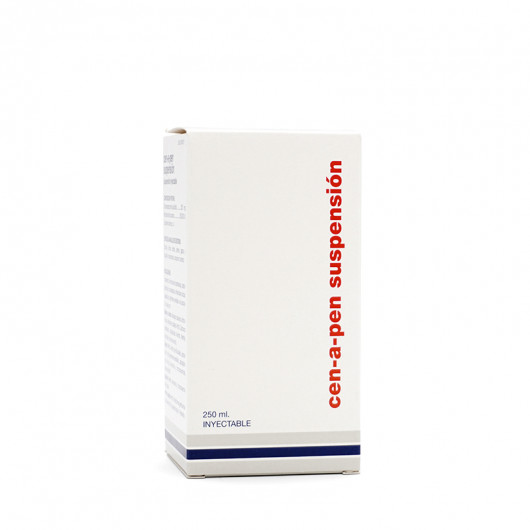
Cen-a-pen suspension is a veterinary medication primarily composed of procaine benzylpenicillin, a beta-lactam antibiotic. It is used to treat bacterial infections in pets and is effective against most gram-positive bacteria and some gram-negative bacteria. The suspension is administered parenterally and is indicated for various bacterial infections, including respiratory issues in horses. It is important to consult a veterinarian for appropriate use and dosage, especially if you notice unusual behaviors in your pets
$70.00 Original price was: $70.00.$60.00Current price is: $60.00.
Guaranteed Safe Checkout

Managing acute bacterial infections in equine sports medicine and livestock production requires fast, reliable, and narrow-spectrum antimicrobial intervention. When pathogenetic bacteria breach an animal’s mucosal or cutaneous barriers, they multiply rapidly, releasing toxins that induce systemic inflammation, high fever, and localized tissue destruction. Conditions such as strangles (equine distemper), bacterial pneumonia, wound infections, and shipping fever can quickly compromise an animal’s well-being and operational productivity.
While broad-spectrum antibiotics are valuable, modern veterinary stewardship emphasizes using targeted, high-affinity antimicrobials to eliminate Gram-positive pathogens without causing widespread disruption to the animal’s natural gastrointestinal microflora.
To achieve this clinical objective, veterinarians and livestock managers rely on Cen-A-Pen Suspension. This injectable antibiotic consists of sterile Penicillin G Procaine, a time-tested, highly effective formulation designed to provide sustained therapeutic blood levels of penicillin following a single intramuscular dose.
This comprehensive guide serves as the definitive reference for veterinary surgeons, racehorse trainers, and livestock managers seeking to understand the pharmacology, cellular mechanisms, precise dosing protocols, and safety standards for Cen-A-Pen Suspension.
To understand the therapeutic efficacy of Cen-A-Pen Suspension, we must look at how its active compound interacts with susceptible bacterial cells and how the procaine ester alters its absorption kinetics.
                      [Cen-A-Pen Suspension Administered]
                                      |
                     [Deep Intramuscular Depot Forms]
                                      |
               [Slow, Sustained Hydrolysis of Procaine Ester]
                                      |
                 [Continuous Release of Penicillin G Ions]
                                      |
               ===============================================
              |                                               |
              v                                               v
  [Binding to Penicillin-Binding]                  [Inhibition of Transpeptidase]
       Proteins (PBPs)                                      Enzyme
              |                                               |
               ===============================================
                                      |
                                      v
                     [Disruption of Peptidoglycan Cross-Links]
                                      |
                     [Cell Wall Weakening & Osmotic Lysis]
                                      |
                                      v
                        [Bactericidal Destruction]
Penicillin G is a classic beta-lactam antibiotic that exerts a powerful bactericidal effect on susceptible, actively multiplying microorganisms. Its primary molecular target is the bacterial cell wall, a rigid structure essential for maintaining the cell’s shape and protecting it against high internal osmotic pressure.
Binding to PBPs: Once released into the bloodstream, Penicillin G binds reversibly to specific enzymes located on the inner surface of the bacterial cell membrane, known as Penicillin-Binding Proteins (PBPs).
Inhibition of Transpeptidation: PBPs, particularly transpeptidases, are responsible for cross-linking the peptidoglycan strands that give the cell wall its structural strength. By binding to these proteins, Penicillin G blocks the transpeptidation reaction.
Osmotic Lysis: Without stable cross-links, the synthesis of the cell wall halts while autolytic enzymes continue to break down the existing wall. The weakened cell wall cannot withstand the high internal osmotic pressure, causing the bacterium to swell, burst, and die.
Pure Penicillin G is rapidly cleared by the kidneys, requiring frequent intravenous or intramuscular injections to maintain therapeutic levels. To overcome this limitation, Cen-A-Pen utilizes Penicillin G Procaine, an equimolar crystalline salt composed of Penicillin G and the local anesthetic base, procaine.
When injected deep into muscle tissue, this suspension forms a localized depot. Because the procaine salt has very low solubility in water, it dissolves slowly into the surrounding tissue fluids. As it dissolves, enzymes called tissue esterases split the salt apart, continuously releasing free Penicillin G into the bloodstream. This slow absorption profile provides a sustained therapeutic concentration of antibiotic in the blood for up to 24 hours, reducing the frequency of injections needed to treat systemic infections.
Cen-A-Pen Suspension is a narrow-spectrum antibiotic that targets Gram-positive organisms and select Gram-negative cocci. It is highly effective against the following veterinary pathogens:
Streptococcus equi (Strangles): The primary cause of acute upper respiratory tract infections and abscessed lymph nodes in horses.
Streptococcus suis & S. zooepidemicus: Responsible for septicemia, joint infections, and secondary respiratory tract infections in swine and equines.
Corynebacterium pseudotuberculosis: The causative agent of pigeon fever in horses and caseous lymphadenitis in small ruminants.
Clostridium Species (Blackleg, Malignant Edema): Highly lethal anaerobic bacteria that cause severe muscle necrosis and systemic toxemia in cattle and sheep.
Erysipelothrix rhusiopathiae: The causative agent of swine erysipelas, which manifests as diamond-shaped skin lesions and acute arthritis.
Cen-A-Pen Suspension is an essential asset in modern veterinary medicine, serving as a first-line therapy for various clinical conditions across multiple animal species.
In performance stables and breeding operations, respiratory and wound infections must be addressed promptly to safeguard the animal’s recovery and athletic career.
Treatment of Strangles: Effective in managing early-stage Streptococcus equi infections, minimizing severe lymph node swelling when administered under professional guidance.
Wound and Post-Surgical Infections: Protects against bacterial contamination following severe lacerations, puncture wounds, or orthopedic surgeries.
Lower Respiratory Infections: Combats secondary bacterial pneumonia and pleuritis that often follow viral respiratory diseases like equine influenza.
In livestock production, controlling infectious diseases quickly prevents herd-wide outbreaks and helps protect production yields.
Bovine Respiratory Disease Complex (Shipping Fever): Used as a foundational treatment for acute pasteurellosis and streptococcal pneumonias caused by stress during transit.
Foot Rot and Joint Ill: Resolves deep tissue infections of the hoof matrix and infectious arthritis in calves, lambs, and piglets.
Clostridial Infection Support: Provides critical antimicrobial coverage when treating animals exposed to or recovering from clostridial tissue infections.
To ensure maximum therapeutic efficacy and safety, Cen-A-Pen Suspension must be administered with strict adherence to professional protocols.
Route of Administration: Cen-A-Pen is formulated strictly for deep intramuscular (IM) injection. It must never be administered intravenously (IV) or subcutaneously (SC). Accidental IV injection of a procaine suspension can lead to severe neurological and cardiac toxicity.
Agitation: Shake the vial vigorously before drawing up the dose to ensure the crystalline suspension is completely uniform.
Aseptic Protocol: Thoroughly clean the rubber stopper and the animal’s skin with an alcohol wipe. Use a fresh, sterile, large-gauge needle (typically 16G or 18G for adult livestock) due to the thick nature of the suspension.
Aspiration Test: Once the needle is inserted deep into the muscle, always pull back on the plunger (aspirate) for 2 to 3 seconds. If blood enters the syringe, withdraw the needle entirely and choose a different injection site to ensure the medication is not delivered into a blood vessel.
Volume Limits: Do not inject more than 10 mL into a single injection site in adult horses or cattle. For smaller animals, limit the volume to 5 mL per site. Always rotate sites for daily injections.
The table below outlines standard clinical dosing protocols for Cen-A-Pen Suspension based on species and weight:
| Target Animal Class | Average Weight (kg) | Standard Daily IM Dose Volume (mL) | Frequency of Administration | Typical Duration of Treatment |
| Adult Horses | 450 to 550 kg | 15 to 20 mL | Once every 24 hours | 3 to 5 consecutive days |
| Adult Cattle | 400 to 600 kg | 12 to 18 mL | Once every 24 hours | 3 to 5 consecutive days |
| Calves & Yearlings | 100 to 200 kg | 3 to 6 mL | Once every 24 hours | 3 to 5 days |
| Swine / Pigs | 50 to 100 kg | 2 to 3 mL | Once every 24 hours | 3 days |
| Sheep & Goats | 40 to 80 kg | 1.5 to 2.5 mL | Once every 24 hours | 3 days |
While Penicillin G Procaine is highly effective, handlers must be aware of potential reactions and handle the compound with care.
Procaine Toxicity (The “Procaine Reaction”): If Cen-A-Pen is accidentally introduced into a blood vessel, or if absorption occurs unusually fast, the procaine ester can cross the blood-brain barrier. This causes immediate, transient neurological signs, including shivering, blindness, running in circles, jumping, and vocalization, followed by brief depression. The reaction usually resolves spontaneously within 5 to 10 minutes but can be dangerous for both the animal and the handler.
Allergic Hypersensitivity: Some animals may possess a pre-existing sensitivity to beta-lactam antibiotics. Signs of an allergic reaction include skin hives (urticaria), facial swelling, salivation, or acute anaphylactic shock. Keep epinephrine readily available when administering penicillin therapies.
Never Administer Intravenously: IV injection can result in fatal embolic or toxic reactions due to the procaine crystal suspension.
Sensitivity History: Do not use in animals with a known history of hypersensitivity to penicillin, cephalosporins, or procaine.
Small Rodents and Exotic Species: Penicillin products are toxic to guinea pigs, hamsters, rabbits, and chinchillas, as they disrupt their cecal microflora, leading to fatal enterotoxemia.
Regulatory withdrawal periods for milk and meat compliance vary depending on the destination region and local agricultural guidelines:
| Country / Region | Regulatory Authority | Milk Withdrawal Period | Meat / Slaughter Withdrawal |
| United States | FDA / FARAD | Typically 48 to 72 hours | 4 to 10 days (Verify formulation details) |
| Canada | Health Canada | 72 hours | 10 days |
| European Union | EMA / National Bodies | 72 to 96 hours | 10 to 14 days |
| Australia | APVMA | 72 hours | 7 to 10 days |
| Mexico | SENASICA | 48 to 72 hours | 8 days |
Cen-A-Pen contains crystalline procaine particles designed for slow absorption from a muscle tissue depot. Injecting this suspension directly into a vein delivers a massive dose of procaine and micro-crystals to the brain and heart, which can cause severe neurological reactions, seizures, or cardiac arrest.
If blood enters the syringe when you pull back on the plunger, it indicates the needle has entered a blood vessel. Do not inject the medication. Withdraw the needle completely, replace it with a fresh sterile needle, and choose a new injection site.
No. Penicillin G is strictly an antibacterial medication and has no effect against viruses. However, veterinarians frequently prescribe Cen-A-Pen to animals suffering from viral infections to prevent or treat secondary bacterial pneumonias that often develop when the immune system is compromised.
Cen-A-Pen Suspension should be stored in a refrigerator between 2°C and 8°C (36°F to 46°F). Protect it from freezing and direct sunlight. Bring the vial close to room temperature and shake it well before administration to ensure smooth draw-up and injection.
An allergic reaction can manifest as skin wheals, hives, swelling around the eyes and muzzle, labored breathing, or sweating. In severe cases, an animal may experience anaphylactic shock. If you observe these signs, stop treatment immediately and contact a veterinarian. Epinephrine is typically administered to reverse severe allergic reactions.
You can order high-purity, laboratory-verified Cen-A-Pen Suspension online through Equines Vets Care. All our veterinary therapeutics are handled under strict quality and temperature controls to guarantee sterility and potency upon arrival.
Cen-A-Pen Suspension remains a core therapeutic option for treating susceptible Gram-positive infections, including strangles, clostridial diseases, and respiratory tract infections. By combining Penicillin G with a procaine carrier, it delivers a steady, long-acting therapeutic blood concentration that helps support recovery with once-daily dosing.
Cen-a-pen Suspension Many times we overlook that there are viral and infectious diseases that can attack our pets, for that reason we always remember that a visit to the veterinarian is often necessary if at any time we notice unusual behaviors in our animals and also to make sure everything is going correctly.
The presentation, extent, severity and persistence of infectious diseases in animals may be influenced and conditioned by the interaction between the environment-agent-host and the modifications of these components.
Modifications of the agent: it is possible that a bacterium can acquire greater resistance to antibiotics since the strains that survive the treatments and are eliminated can persist in hospital environments.
An infection with this type of germs could become much more serious and diffusible.
Modifications of the host, that is, of the one who contracts the infection: an immunocompromised patient can become more susceptible and activate the pathogenicity of a microorganism or allow it to acquire a greater resistance.
Modifications of the environment: wet and cold weather causes certain agents of respiratory type infections to stay longer than when the weather is warm and sunny. Floods contribute to the increase in leptospirosis, while summer favors the spread of diseases carried by insects.
The increase in the rodent population allows to favor the diseases that they carry, among others.
These diseases can be controlled with certain treatments that the veterinarian must indicate when detecting the condition.
Cen-a-pen Suspension is composed of procaine benzylpenicillin which is a beta-lactam antibiotic that is included within the natural penicillins of group G, is exclusively parenteral and with a reduced spectrum.
It also has an action that is fundamentally bactericidal against most Gram + bacteria and against a limited number of Gram- bacteria (usually in the urinary environment), as well as against certain spirochetes and actinomycetes, including in its spectrum of action.
It also contains dihydroestreptomycin that works as a bactericidal aminoglycoside antibiotic , active
No account yet?
Create an Account
Reviews
There are no reviews yet.