-13%
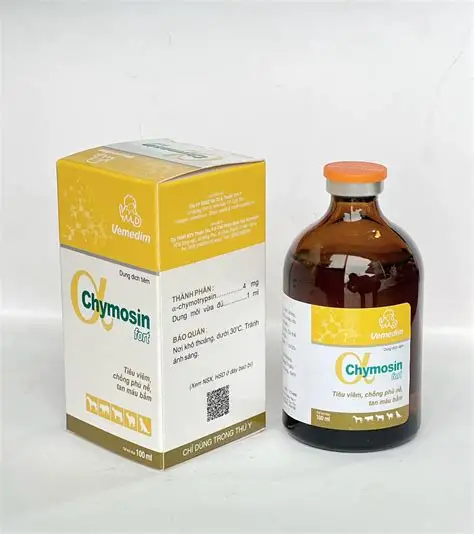
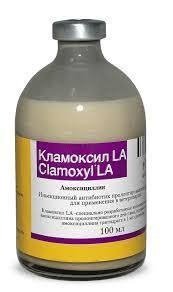
Chymosin injection is a veterinary enzyme therapy used to reduce inflammation, edema, and tissue damage, promoting faster recovery in animals.
$40.00 Original price was: $40.00.$35.00Current price is: $35.00.
Guaranteed Safe Checkout

Managing soft tissue trauma, localized fluid accumulation (edema), persistent joint swelling, and deep-seated respiratory congestion presents a continuous challenge in equine sports medicine and livestock husbandry. When an animal experiences an injury or a severe infectious disease, the body’s natural inflammatory response can sometimes run unchecked. This leads to the deposition of dense fibrin networks, localized bruising, and impaired blood flow, which collectively delay recovery and restrict the penetration of therapeutic agents like antibiotics.
While traditional non-steroidal anti-inflammatory drugs (NSAIDs) excel at blocking pain pathways, they do not actively break down the physical blockages—such as cellular debris and thick inflammatory proteins—that isolate injured or infected tissues.
To solve this clinical bottleneck, modern veterinary practices utilize Chymosin Injectable Solution (combining Alpha-Chymotrypsin and Trypsin). This enzymatic therapeutic works directly at the cellular level to dissolve protein-rich fluid deposits, break down necrotic debris, and open up the tissue matrix for faster, cleaner healing.
This comprehensive guide serves as the definitive reference for veterinary surgeons, racehorse trainers, and livestock managers seeking to understand the pharmacology, clinical applications, precise dosing protocols, and global sourcing standards for Chymosin Injectable Solution 100ml.
To appreciate the therapeutic value of Chymosin Injectable Solution, it is necessary to examine how proteolytic enzymes interact with damaged tissues.
          [Trauma / Infection / Severe Inflammation]
                              |
                     [Fibrin Barrier Forms]
             (Blocks blood flow & antibiotic delivery)
                              |
               [Administer Chymosin Injection]
                              |
               ===============================
              |                               |
              v                               v
     [Alpha-Chymotrypsin]                 [Trypsin]
   (Cleaves aromatic bonds)        (Cleaves basic peptide bonds)
              |                               |
               ===============================
                              |
                              v
             [Hydrolysis of Fibrin & Necrotic Debris]
                              |
         -------------------------------------------
        |                                           |
        v                                           v
[Rapid Drainage of Edema & Fluids]        [Antibiotics Penetrate Deeply]
Chymosin Injectable Solution is formulated as a sterile, aqueous preparation containing two primary active proteolytic enzymes: Alpha-Chymotrypsin and Trypsin.
These enzymes are serine endopeptidases that exhibit highly specific peptide bond cleavage properties:
Alpha-Chymotrypsin: This enzyme selectively hydrolyzes peptide bonds on the carboxyl side of aromatic amino acids (such as tyrosine, phenylalanine, and tryptophan). In wounded tissue, it acts as a precise biological scalpel, targeting and breaking down large, disorganized protein aggregates without damaging healthy, viable host cells.
Trypsin: Operating in tandem with chymotrypsin, trypsin cleaves peptide bonds specifically at the carboxyl side of basic amino acids (lysine and arginine). This dual-action attack ensures a complete, rapid breakdown of thick inflammatory barriers.
During an acute injury or severe infection, blood vessels leak fluid into the surrounding tissues, initiating the coagulation cascade. This process forms a dense, mesh-like network of fibrin. While fibrin is essential for stopping initial bleeding, its persistence in chronic injuries creates a physical barrier. This barrier traps inflammatory fluids (causing painful edema), restricts localized oxygenation, and blocks defensive white blood cells and systemic antibiotics from reaching the core of the infection.
By introduced-proteolysis, the Alpha-Chymotrypsin and Trypsin in Chymosin Injection actively hydrolyze these fibrin strands into soluble polypeptides. Once liquefied, the trapped edema fluid, micro-clots, and cellular debris are easily absorbed back into the lymphatic system and cleared from the body. This process rapidly reduces local swelling and relieves tissue pressure, helping to restore normal blood circulation to the affected area.
The clinical benefits of Chymosin go far beyond simple swelling reduction. Its cellular actions help optimize the entire healing microenvironment.
One of the most valuable aspects of Chymosin therapy is its role as a pharmacokinetic adjuvant. In complex infections like bovine mastitis, chronic equine bronchitis, or deep tissue abscesses, bacteria often shield themselves behind thick walls of pus, necrotic debris, and fibrin.
Clearing the Protective Matrix: Administering Chymosin helps dissolve this protective protein barrier, exposing the hidden pathogens.
Improving Drug Delivery: With the physical barriers removed and local micro-circulation restored, co-administered antibiotics (such as penicillin, ceftiofur, or oxytetracycline) can penetrate deep into the infected tissue, achieving much higher local concentrations.
Resolving Infections Faster: This clinical synergy often allows for shorter courses of antibiotic therapy, reducing the risk of antibiotic resistance and lowering overall treatment costs.
When blood vessels rupture under the skin or within muscle tissue due to physical trauma, a hematoma forms. Left untreated, these blood pools can become fibrous, turn into hard lumps, or develop secondary bacterial infections.
Chymosin speeds up the breakdown of trapped red blood cells and extracellular clots. By liquefying the pooled blood, it enables the lymphatic system to clear the bruising quickly. This helps prevent the formation of permanent, restrictive scar tissue in performance animals.
Chymosin Injectable Solution 100ml is a versatile addition to modern veterinary medicine, serving as a vital support therapy across multiple animal species.
In high-performance equine disciplines—such as thoroughbred racing, showjumping, and endurance riding—even minor soft tissue injuries can disrupt entire competitive seasons. Key applications for Chymosin in horse care include:
Post-Traumatic Swelling and Hematomas: Effectively treats leg swellings, chest contusions, and muscle hematomas caused by arena impacts, kicks, or training accidents.
Respiratory Inflammation Support: Useful for managing horses with chronic obstructive pulmonary disease (COPD/Asthma), acute bronchitis, or equine influenza. It thins thick, sticky mucus in the bronchial tubes, making it easier for the horse to clear its airways.
Preventing Post-Surgical Adhesions: Administering Chymosin after soft tissue or orthopedic surgeries helps prevent fibrin networks from forming restrictive adhesions between tendons, ligaments, and surrounding sheaths.
In commercial livestock management, keeping animals healthy and productive is essential for overall operational efficiency.
Severe Mastitis in Dairy Cows: Used alongside intramammary and systemic antibiotics to treat severe mastitis. It breaks down the thick fibrin clots and purulent blockages within the milk ducts, helping to restore normal milk flow and protect the secretory tissues from permanent damage.
Respiratory Disease Complex (Shipping Fever): Helps manage acute pneumonia and pasteurellosis in cattle. By reducing inflammation and clearing fluid buildup in the lungs, Chymosin helps animals breathe more easily, recover their appetite sooner, and return to normal production.
Joint Infections and Arthritis: Supports the treatment of infectious arthritis and joint swelling, helping to preserve joint mobility and prevent permanent lameness.
For maximum therapeutic benefit and animal safety, always follow precise veterinary administration protocols.
Route of Administration: Chymosin is administered strictly via deep intramuscular (IM) injection. It should not be given intravenously.
Aseptic Protocol: Always clean the vial’s rubber stopper and the animal’s skin thoroughly with an alcohol wipe. Use a fresh, sterile needle and syringe for every injection to prevent contamination.
Injection Site Care: When injecting large volumes (greater than 10 ml in horses or cattle), it is best to split the dose across two separate injection sites to minimize localized muscle soreness.
The table below outlines standard clinical dosing regimens for Chymosin Injectable Solution 100ml based on animal class and weight:
| Target Animal Class | Body Weight Range (kg) | Recommended IM Dose (mL) | Frequency of Administration | Duration of Treatment |
| Mature Horses | 450 to 600 kg | 10 to 20 mL | Once every 12 to 24 hours | 3 to 5 consecutive days |
| Foals & Colts | 100 to 200 kg | 5 to 10 mL | Once every 12 to 24 hours | 3 to 5 consecutive days |
| Adult Cattle | 400 to 600 kg | 12 to 18 mL | Once every 24 hours | 3 to 5 days (with antibiotics) |
| Calves & Yearlings | 80 to 150 kg | 4 to 8 mL | Once every 24 hours | 3 to 5 days |
| Sheep, Goats, & Swine | 40 to 80 kg | 2 to 4 mL | Once every 24 hours | 3 to 5 days |
| Working & Athletic Dogs | 20 to 40 kg | 1 to 2 mL | Once every 24 hours | 2 to 3 days |
Chymosin is well-tolerated by most animals due to its natural, biological mechanism of action. However, veterinarians and handlers should observe standard clinical precautions:
Local Injection Site Reaction: Mild, transient swelling or muscle stiffness may occur at the injection site. This is typically a brief reaction to the injection process and usually resolves without treatment within 24 to 48 hours.
Increased Mucus Discharge: When treating respiratory conditions, animals may experience a temporary increase in nasal discharge or coughing. This is a normal sign that the mucus is thinning and being cleared from the airways.
Coagulation Defects and Active Hemorrhage: Because Chymosin has mild fibrinolytic properties, avoid administering it to animals with active internal bleeding, hemophilia, or severe blood clotting disorders.
Advanced Hepatic or Renal Disease: Use with caution in animals with severe liver or kidney dysfunction, as these organs are responsible for processing and clearing metabolic byproducts from the body.
Do Not Inject Directly into Joints: Chymosin is formulated for intramuscular use to provide systemic benefits. It should not be injected directly into joint spaces (intra-articular) or deep wound cavities unless under the direct supervision of a specialized veterinary surgeon.
Regulatory frameworks and competitive withdrawal times for enzymatic preparations vary by region and sporting discipline:
| Country / Region | Regulatory Authority | General Sourcing Status | Competition and Race Regulations |
| United States | FDA / State Racing Boards | Primarily classified as a supportive veterinary supplement or prescription therapeutic. | Generally permitted during training; however, a strict 72-hour withdrawal period is typically required before race days. |
| Canada | Health Canada | Approved for therapeutic use under veterinary guidance. | Restricted in competitive events. Check specific equine association guidelines for clearance times. |
| European Union | EMA / National Regulators | Widely used across Europe (especially France, Germany, and the Netherlands) as a standard supportive treatment. | Allowed for therapeutic use. For competitive equines, comply with standard FEI (Fédération Equestre Internationale) withdrawal guidelines. |
| Australia | APVMA / Racing Australia | Requires prescription or specialized veterinary import clearance. | Subject to strict clean-sport testing regulations. Complete withdrawal is required before official race starts. |
| Mexico & LATAM | SENASICA | Widely registered and utilized in both livestock and equine sectors. | Permitted for general therapeutic recovery. Follow standard event-specific regulatory guidelines. |
For maximum therapeutic impact, Chymosin Injectable Solution is often integrated into multi-modal recovery and treatment programs:
                    [Integrated Treatment Plan]
                                 |
         --------------------------------------------------
        |                        |                         |
  [Chymosin Injection]     [Targeted Antibiotics]    [Physiotherapy & Care]
  (Dissolves fibrin &     (Penetrate deeply to      (Controlled movement,
  reduces tissue edema)    eliminate pathogens)      cold hosing, support wraps)
When dealing with bacterial infections, using Chymosin alongside antibiotics provides dual benefits:
Fibrin and Mucus Hydrolysis: Chymosin liquefies the protective inflammatory barriers surrounding the infection.
Optimized Antibiotic Delivery: This allows your chosen antibiotic to reach the infection site at full therapeutic strength, leading to faster clearance of the pathogen.
For acute muscle tears, tendon strains, or severe bruising:
Phase 1 (First 48 Hours): Combine Chymosin injections with cold-hosing and light support bandaging to help limit initial swelling.
Phase 2 (Day 3 Onward): As Chymosin clears the pooled fluids, transition the animal to gentle hand-walking. This controlled movement helps align new collagen fibers, preventing stiff, restricted scar tissue from forming.
NSAIDs work by blocking prostaglandins to reduce pain and inflammation, but they do not affect existing fluids or fibrin clots. Chymosin is an enzymatic therapeutic that physically breaks down and liquefies fibrin deposits and thick cellular debris. This allows trapped fluids to drain via the lymphatic system, resolving edema and improving blood flow directly.
No. Chymosin Injectable Solution is formulated specifically for deep intramuscular (IM) injection. Giving it intravenously can lead to rapid systemic enzyme levels, which increases the risk of adverse reactions.
In most cases of acute trauma, hematoma, or localized edema, a visible reduction in swelling and improved comfort can be observed within 12 to 24 hours after the first injection, with optimal tissue drainage occurring over a 3-to-5-day course.
Yes. Chymosin is highly effective for horses with respiratory congestion because it breaks down the peptide bonds in thick bronchial mucus. This liquefies the secretions, making it easier for the horse to clear its airways. However, always consult your veterinarian to identify and address the underlying cause of the cough.
Store Chymosin in its original packaging to protect it from light. Keep the vial in a cool, dry place at a controlled temperature between 15°C and 25°C, and protect it from freezing. Once the vial is punctured, use it within the recommended period to maintain sterility.
Always source your veterinary therapeutics from trusted suppliers. Ensure the product is manufactured under strict sterile conditions, carries verified batch numbers, and has a clear expiration date.
Chymosin Injectable Solution 100ml is an essential tool for any stable, farm, or veterinary clinic. By targeting and dissolving the fibrin networks that lock in swelling and block healing, Chymosin helps clear tissue congestion, enhances antibiotic effectiveness, and speeds up the recovery of performance animals.
For the best clinical outcomes, ensure accurate dosing based on body weight, maintain strict sterile techniques during administration, and pair therapy with appropriate supportive care. Keep your animals performing at their best with professional-grade solutions from Equines Vets Care. For wholesale inquiries or product assistance, please reach out directly to us at equinesvet@gmail.com.
Chymosin Injectable Solution 100ml is used to reduce inflammation and soft tissue edema caused by abscesses, ulcers or injury; loosen secretions in the upper airways in asthma, bronchitis, pneumonia and sinusitis
Chymosin 20ml is used to reduce inflammation and soft tissue edema caused by abscesses, ulcers or injury; loosen secretions in the upper airways in asthma, bronchitis, pneumonia and sinusitis. Treatment of infections and local tissue necrosis; prevention of wound infection after surgery; hematoma absorption; reduce swelling due to injury; supportive treatment of infectious diseases.
Indications: Treatment of inflammation and tissue edema caused by injuries, surgery, infectious diseases in cattle, horses, swine, dogs and poultry.
Alfachymotrypsin is used to reduce inflammation and soft tissue edema caused by abscesses, ulcers or injury; loosen secretions in the upper airways in asthma, bronchitis, pneumonia and sinusitis. Treatment of infections and local tissue necrosis; prevention of wound infection after surgery; hematoma absorption; reduce swelling due to injury; supportive treatment of infectious diseases.
Indications: Treatment of inflammation and tissue edema caused by injuries, surgery, infectious diseases in cattle, horses, swine, dogs and poultry.
Composition of Chymosin 20ml
Dosage and administration of : For intramuscular and subcutaneous injection.
Cattle, horses: 3-6ml/100kg b.w.
Swine, dogs: 1ml/20-30 kg b.w.
Poultry: 1ml/10-15 kg b.w.
Suggested racing dosage and administration of Chymosin 20ml:
Horses: 10 ml every day for 5 days until race day – IM
Camels: 7 ml every day for 5 days until race day – IM
Presentation of Chymosin 20ml:
Glass vial of 20ml and bottle.
Alfachymotrypsin is used to reduce inflammation and soft tissue edema caused by abscesses, ulcers or injury; loosen secretions in the upper airways in asthma, bronchitis, pneumonia and sinusitis. Treatment of infections and local tissue necrosis; prevention of wound infection after surgery; hematoma absorption; reduce swelling due to injury; supportive treatment of infectious diseases.
Indications: Treatment of inflammation and tissue edema caused by injuries, surgery, infectious diseases in cattle, horses, swine, dogs and poultry.
Compositionof Chymosin 20ml :
Dosage and administration of Chymosin 20ml: For intramuscular and subcutaneo
No account yet?
Create an Account
Reviews
There are no reviews yet.