

-7%
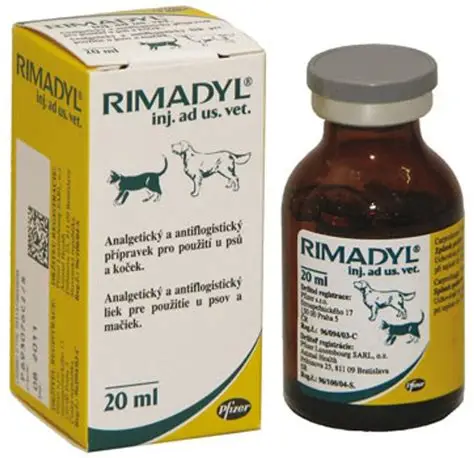


Rimadyl Injection 20mL is a veterinary injectable formulation of carprofen, a non-steroidal anti-inflammatory drug (NSAID) used in dogs for the relief of pain and inflammation associated with conditions such as osteoarthritis and for postoperative pain management. The official Zoetis information identifies Rimadyl Injectable as a 20mL vial and specifies subcutaneous administration for dogs under its U.S. labeling.
Rimadyl is intended for dogs, and its use should be directed by a veterinarian. Carprofen is a prescription veterinary medicine, and careful consideration of the potential benefits and risks is important before treatment. The manufacturer’s information recommends using the lowest effective dose for the shortest duration consistent with the individual dog’s response.
Rimadyl Injection 20mL is a sterile injectable solution containing carprofen, an NSAID used in veterinary medicine to help control pain and inflammation in dogs.
Rimadyl is manufactured by Zoetis, and the manufacturer’s U.S. information lists Rimadyl Injectable in 20mL vials.
Carprofen works by reducing the production of substances involved in inflammation and pain. This makes it useful in veterinary pain-management protocols when an NSAID is considered appropriate.
Rimadyl Injection is specifically important in canine pain-management programs.
Pain and inflammation can occur because of:
The goal of treatment is to improve comfort while addressing the underlying condition.
Rimadyl should not be used simply because a dog appears uncomfortable without first determining whether carprofen is appropriate for that individual animal.
Osteoarthritis is a common cause of chronic pain and reduced mobility in dogs.
Affected dogs may show:
Veterinary assessment can help determine whether osteoarthritis or another condition is responsible for these signs.
When carprofen is appropriate, Rimadyl may form part of a broader management plan that can also include weight management, controlled exercise, rehabilitation and other veterinary strategies.
Rimadyl Injectable is also used in veterinary pain-management protocols surrounding surgery.
The manufacturer’s information states that Rimadyl can be administered for the control of postoperative pain, with the recommended canine dosing and timing determined according to the approved product information.
Postoperative pain management should always be individualized according to:
Carprofen belongs to the NSAID class.
NSAIDs help reduce pain and inflammation by interfering with biological pathways involved in the production of inflammatory mediators.
This can help reduce:
The response to carprofen varies between individual dogs, which is why veterinary monitoring is important during treatment.
The correct dose should be determined according to the current product label and veterinarian’s instructions.
The manufacturer’s U.S. information lists a recommended canine dosage of 2 mg/lb (4.4 mg/kg) daily, with the total daily dose administered according to the approved dosing instructions. For the injectable formulation, the U.S. information specifies subcutaneous administration.
Because dosage can be affected by the individual dog’s condition and other medicines being used, do not independently alter the prescribed amount.
Rimadyl Injectable should be administered according to veterinary instructions.
The manufacturer’s information notes that swelling and warmth can occur at the injection site following subcutaneous administration, although these findings were not considered clinically significant in the referenced information.
Long-term use of the injectable formulation has not been studied according to the manufacturer’s dosing information.
Carprofen is an NSAID and requires appropriate veterinary consideration before use.
Veterinarians may evaluate factors including:
The benefits and potential risks should be considered before treatment.
Contact a veterinarian if a dog receiving an NSAID develops concerning symptoms such as:
Do not ignore significant changes during treatment.
Tell the veterinarian about every medicine and supplement the dog receives.
This includes:
NSAIDs should not be combined or switched without veterinary direction.
Older dogs are more likely to have underlying health conditions that may influence medication selection.
Before using Rimadyl in a senior dog, the veterinarian may consider the animal’s:
Regular monitoring may be appropriate for dogs receiving ongoing pain management.
Joint disease can significantly affect a dog’s quality of life.
In addition to appropriate medication when prescribed, management may involve:
Rimadyl should be considered as one component of an individualized pain-management plan.
The manufacturer’s information specifies refrigeration for Rimadyl Injectable at 2–8°C (36–46°F) and states that, once broached, the product may be stored at temperatures up to 25°C (77°F) for 28 days. Always follow the current label supplied with your specific product, as storage instructions can vary by market.
Keep the product:
If you are looking to buy Rimadyl Injection 20mL online, it is important to verify that you are purchasing the correct veterinary formulation and package size.
Equines Vet Care provides product information for customers researching veterinary medicines and animal-care products. Before ordering Rimadyl Injection 20mL, verify the product name, active ingredient, 20mL presentation, manufacturer, labeling and applicable veterinary requirements.
Because Rimadyl Injection is a prescription veterinary medicine, customers should follow the prescription and regulatory requirements applicable to their location. The product should be used only in accordance with appropriate veterinary direction.
When purchasing online, check:
For international customers, local laws governing veterinary medicines and importation should also be checked before ordering.
Rimadyl Injection 20mL is a carprofen-containing veterinary injectable formulation used in dogs for pain and inflammation management under appropriate veterinary direction. The U.S. manufacturer’s information lists the injectable presentation as a 20mL vial.
The active ingredient is carprofen, an NSAID.
Rimadyl Injectable is used in dogs for the relief of pain and inflammation associated with appropriate conditions and for postoperative pain management under the manufacturer’s labeling.
The referenced U.S. labeling identifies Rimadyl Injectable for dogs. It should not be administered to horses unless a veterinarian specifically determines that its use is appropriate under applicable veterinary practice and regulations.
The U.S. manufacturer’s information gives a canine dosage of 2 mg/lb (4.4 mg/kg) daily, with administration according to the approved product instructions. A veterinarian should determine the appropriate treatment for the individual dog.
The U.S. product information specifies subcutaneous administration for the injectable formulation. Follow the current label and veterinarian’s instructions.
Do not combine Rimadyl with another NSAID unless specifically directed by a veterinarian.
Rimadyl Injectable is supplied in 20mL vials under the referenced U.S. product information.
The referenced U.S. information states that the injectable should be refrigerated at 2–8°C and provides specific in-use storage instructions after the vial is broached. Always follow the current label for your market
No account yet?
Create an Account



Reviews
There are no reviews yet.