

Animal Antibiotics
Buy Animal Antibiotics Online
Welcome to the Animal Antibiotics category at Equines Vet Care, your trusted source for veterinary antibacterial products designed to support the management of bacterial infections in horses, livestock, and companion animals. This category includes a carefully selected range of veterinary antibiotics intended for use under professional veterinary guidance as part of responsible animal healthcare programs. Maintaining animal health requires a balanced approach that includes proper nutrition, hygiene, regular veterinary care, and timely treatment when bacterial infections occur. Our collection of animal antibiotics is sourced from reputable manufacturers and is intended to complement veterinary supervision in equine, livestock, and pet care settings. Whether you manage performance horses, breeding livestock, working animals, or household pets, access to reliable veterinary antibacterial products is an important part of maintaining overall herd and animal health. Explore our range of trusted animal antibiotics designed to support responsible veterinary care practices.
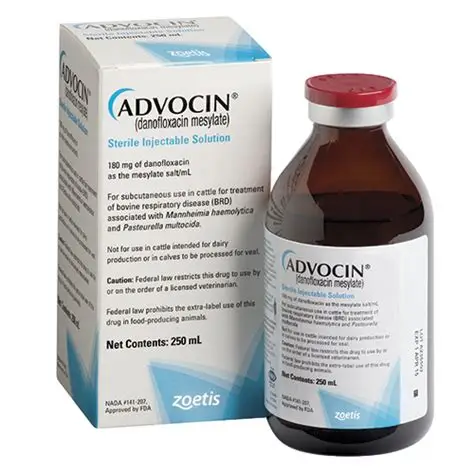
Advocin (Danofloxacin) 250ML
Original price was: $550.00.$540.00Current price is: $540.00.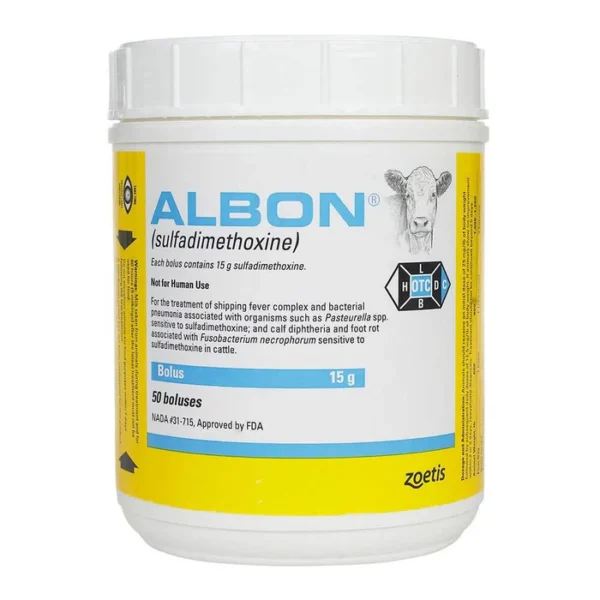
Albon Boluses for Cattle 15g
Original price was: $150.00.$135.00Current price is: $135.00.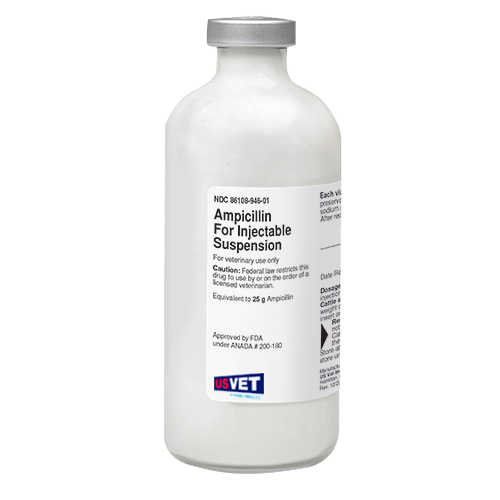
Ampicillin Powder for Injectable Suspension for Cattle, Dogs and Cats
Original price was: $65.00.$55.00Current price is: $55.00.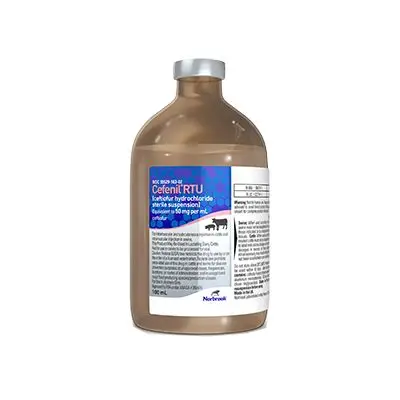
Cefenil RTU Injection 250ml
Original price was: $70.00.$60.00Current price is: $60.00.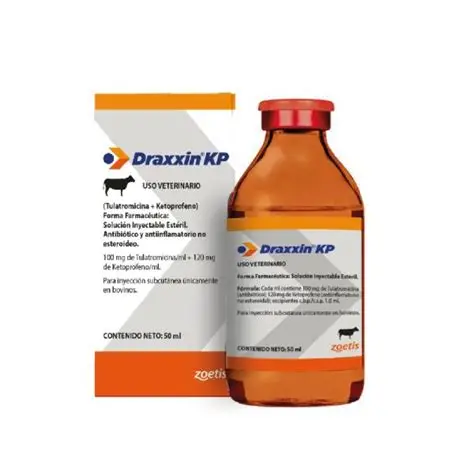
Draxxin KP 100mg/ml
Original price was: $90.90.$80.00Current price is: $80.00.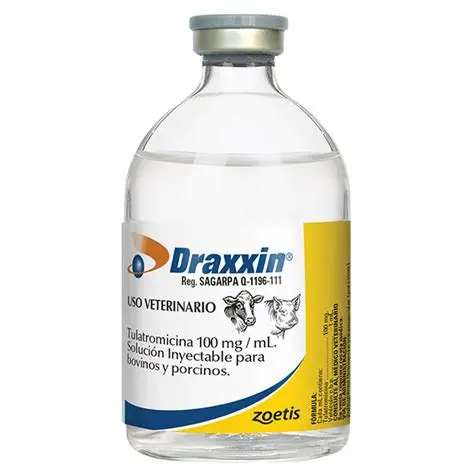
Draxxin Tulathromycin for Cattle and Swine
Original price was: $85.00.$70.00Current price is: $70.00.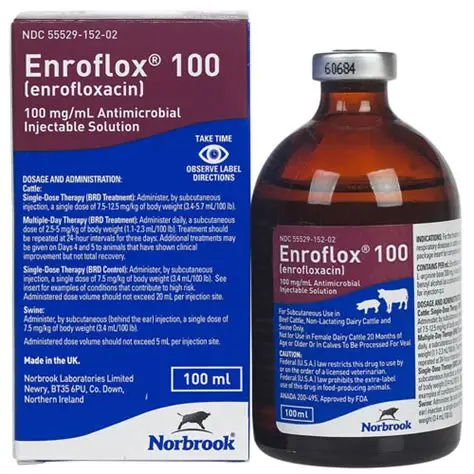
Enroflox 100 for Beef Cattle
Original price was: $115.00.$95.00Current price is: $95.00.
Excede for Cattle and Horses
Original price was: $285.00.$270.00Current price is: $270.00.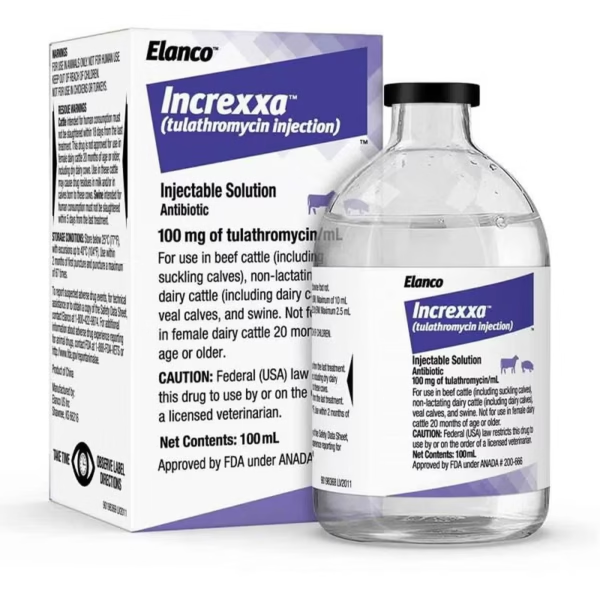
Increxxa 100mg/ml Injection
Original price was: $155.00.$145.00Current price is: $145.00.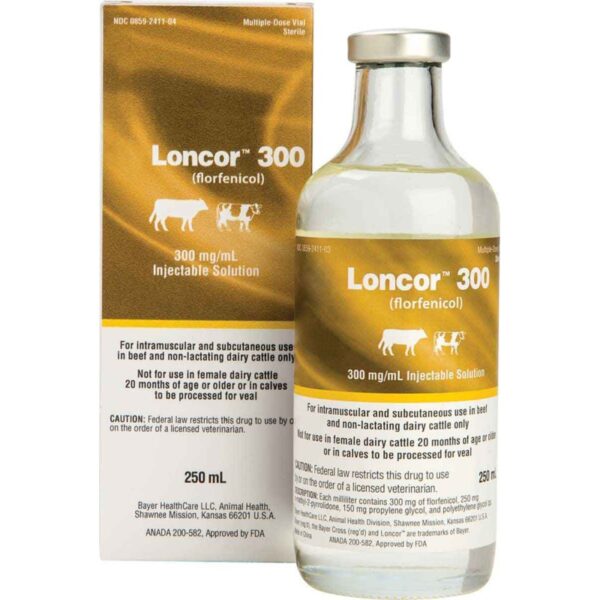
Loncor 300 (Florfenicol) Injectable Solution for Cattle
Original price was: $200.00.$195.00Current price is: $195.00.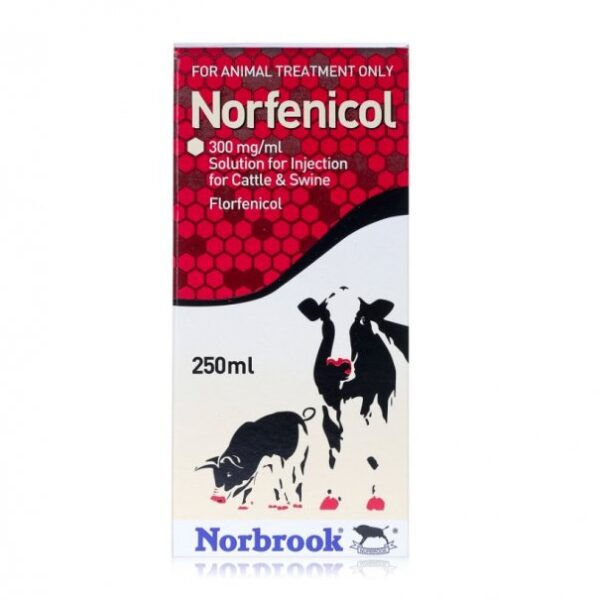
Norfenicol (Florfenicol) Solution for Injection
Original price was: $190.00.$180.00Current price is: $180.00.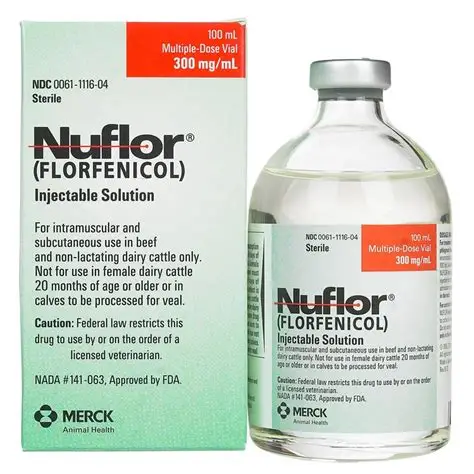
Nuflor (Florfenicol) Injectable Solution for Cattle
Original price was: $90.00.$80.00Current price is: $80.00.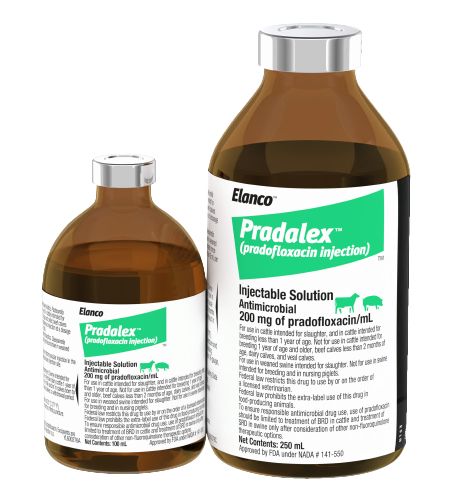
Pradalex Injectable for Cattle & Swine
Original price was: $270.00.$250.00Current price is: $250.00.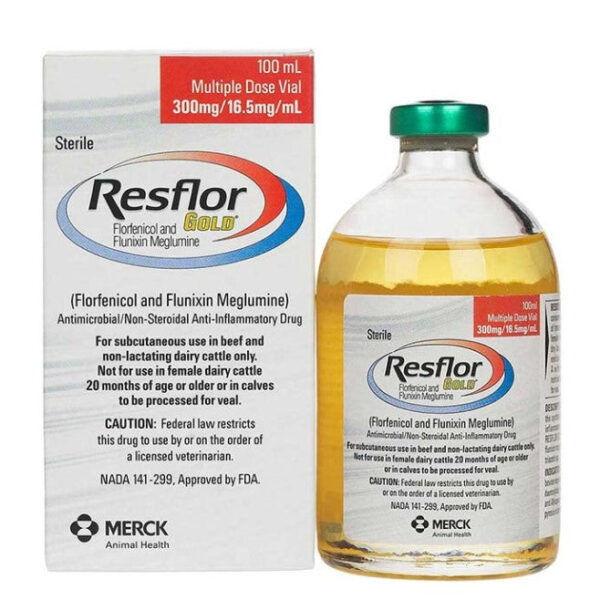
Resflor Gold for Beef and Dairy Cattle
Original price was: $110.00.$105.00Current price is: $105.00.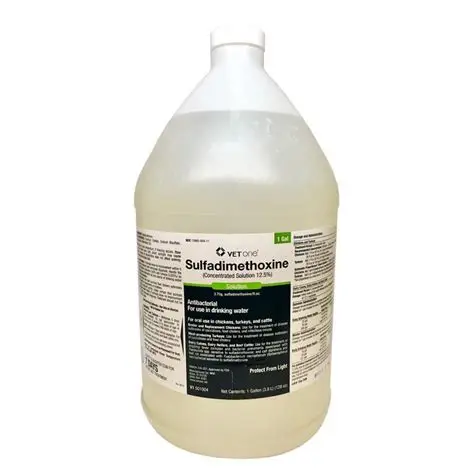
Sulfadimethoxine 12.5% Concentrated Solution
Original price was: $100.00.$95.00Current price is: $95.00.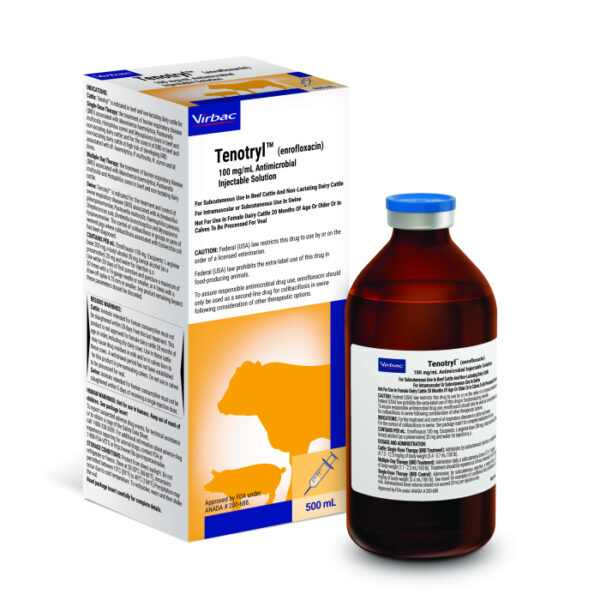
Tenotryl (Enrofloxacin) Injectable Solution 100mg/ml
Original price was: $60.00.$50.00Current price is: $50.00.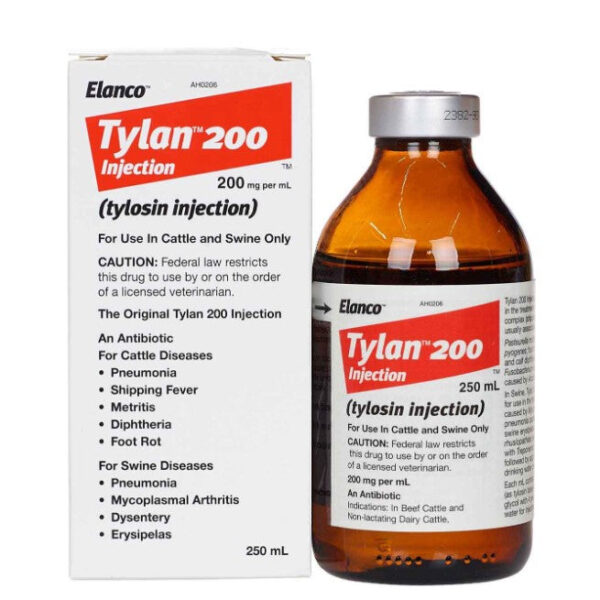
Tylan 200 Tylosin for Cattle and Swine
Original price was: $85.00.$80.00Current price is: $80.00.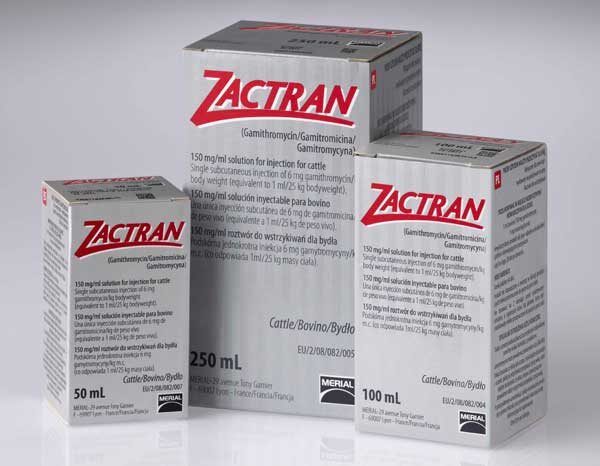
Zactran (gamithromycin) for Beef and Non-Lactating Dairy Cattle
Original price was: $200.00.$190.00Current price is: $190.00.Understanding Animal Antibiotics in Veterinary Care
Animal antibiotics are veterinary medicines used to support the treatment and control of bacterial infections in animals. They are an essential component of modern veterinary medicine and are widely used across equine, livestock, and companion animal care. These products work by targeting specific types of bacteria responsible for infections, helping veterinarians manage conditions that may affect the respiratory system, digestive system, skin, urinary tract, or other body systems.At Equines Vet Care, we provide access to a curated selection of veterinary antibiotic products sourced from trusted manufacturers. These products are intended strictly for use under the supervision of a licensed veterinarian, ensuring safe, appropriate, and responsible application based on diagnosis, species, weight, and health condition.Importance of Antibiotics in Animal Health
Antibiotics play a critical role in maintaining animal health by:- Supporting the treatment of bacterial infections.
- Helping prevent the spread of infection within herds or groups.
- Assisting in recovery from illness or injury under veterinary supervision.
- Supporting overall animal welfare in clinical care settings.
Responsible Use of Veterinary Antibiotics
Responsible antibiotic use is extremely important in veterinary medicine. Misuse or overuse can contribute to antimicrobial resistance, which reduces effectiveness over time. For this reason, veterinary antibiotics should always be used according to:- A licensed veterinarian’s prescription or guidance.
- Manufacturer dosing instructions.
- Correct species-specific requirements.
- Proper treatment duration and completion of full courses.
- Established withdrawal periods for food-producing animals.
When Animal Antibiotics May Be Used
Veterinary antibiotics may be considered in cases such as:- Respiratory infections in horses, cattle, or other livestock.
- Skin and wound infections in animals.
- Digestive or urinary tract bacterial infections.
- Post-surgical infection prevention under veterinary care.
- Herd or flock disease management programs.
Role of Antibiotics in a Complete Health Program
Animal antibiotics are only one part of a complete veterinary healthcare system. Effective animal health management also includes:- Balanced nutrition and supplementation.
- Proper housing and hygiene practices.
- Vaccination programs where applicable.
- Regular veterinary check-ups.
- Biosecurity measures to reduce disease spread.